
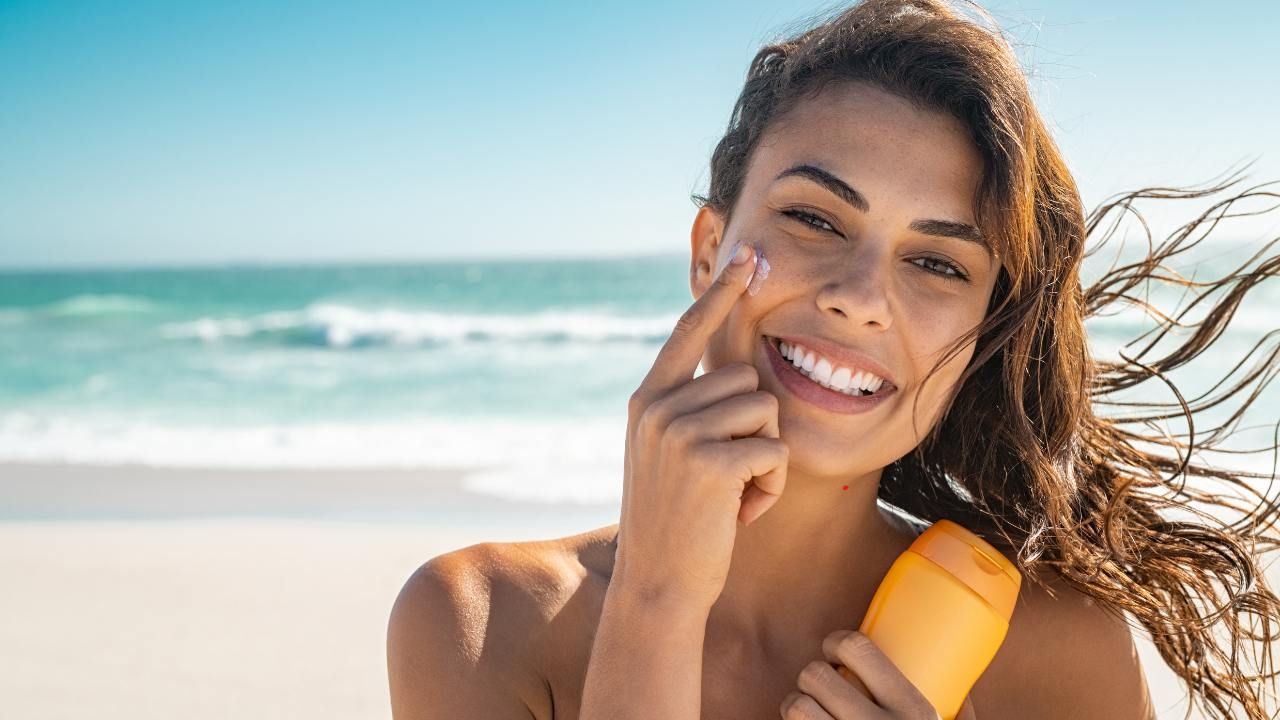
Sunscreen 101: How to Choose the Best SPF for Your Skin
If you’re investing in facial treatments in Carmel IN to get that radiant glow, the last thing you want is the sun undoing all that work. Whether it’s a spa session or a skincare overhaul, protecting your skin from harmful UV rays is non-negotiable and sunscreen is your first line of defense.
In this guide, we’ll break down what SPF really means, how to choose the right one for your skin type, and why it matters more than you think.
What Does SPF Really Mean?
SPF stands for “Sun Protection Factor.” It measures how well a sunscreen protects your skin from UVB rays, the kind that cause sunburn and contribute to skin cancer.
Here’s how it works:
SPF 15 blocks about 93% of UVB rays
SPF 30 blocks about 97%
SPF 50 blocks about 98%
SPF 100 blocks about 99%
While higher SPFs offer more protection, no sunscreen can block 100% of UVB rays. The key is finding the balance between adequate coverage and reapplication frequency.
Match Your SPF to Your Skin Type
Not all skin is created equal, and your ideal SPF depends on more than just the number on the label. Here’s how to tailor your sunscreen to your needs:
1. Fair or Sensitive Skin
Burns easily, rarely tans
Go for SPF 50+ with mineral-based ingredients like zinc oxide or titanium dioxide
Opt for fragrance-free, hypoallergenic formulas
2. Medium Skin Tones
Tans gradually, sometimes burns
SPF 30–50 is usually sufficient
Choose lightweight, non-comedogenic formulas to avoid clogged pores
3. Darker Skin Tones
Tans easily, burns rarely, but still needs protection!
SPF 30 is a good baseline
Look for clear or invisible finish options to avoid white cast
Bonus tip: If you're using retinol, acids, or undergoing treatments like chemical peels, boost your SPF game regardless of your skin tone.
What Type of Sunscreen Should You Use?
There are two main types: chemical and physical (aka mineral). Understanding the difference helps you pick what’s best for your lifestyle.
Chemical Sunscreens absorb UV rays and convert them into heat. They’re lightweight and great under makeup, but may irritate sensitive skin.
Physical Sunscreens sit on top of your skin and reflect UV rays. These are less likely to cause reactions and start working immediately, but can be thicker or leave a white film.
You’ll also want to choose a broad-spectrum sunscreen, which protects against both UVA (aging) and UVB (burning) rays.
Application Tips for Maximum Protection
Even the best SPF won’t do much if you don’t apply it correctly. Follow these tips:
Use a nickel-sized amount for your face alone
Apply 15 minutes before sun exposure
Reapply every 2 hours, or after swimming or sweating
Don’t forget ears, lips, neck, and the tops of your hands
Sunscreen is just one part of a comprehensive skincare routine, especially if you’re working with experts like those at Body Lyft System for ongoing skin health. When paired with quality care and professional advice, sunscreen becomes a true skin-saver.
Case Study: Maria’s SPF Switch
Maria, a 38-year-old marketing consultant, was frustrated with post-facial breakouts and uneven skin tone. After getting a customized plan from her esthetician, including swapping her chemical SPF for a mineral one, she noticed a major difference. “My skin stopped breaking out, and my glow actually lasted longer after each session,” she said. “It turns out my old sunscreen was sabotaging my results.”
Final Thoughts
SPF isn’t just for beach days, it’s an everyday essential. The right sunscreen supports your skincare investment, helps prevent premature aging, and protects you from serious sun damage. Choosing the best one for your skin is less about hype and more about understanding your needs.
Start protecting your skin like a pro. Reach out to a Carmel IN skincare provider about which sunscreen fits best with your treatments and skin type, your future face will thank you.