Infrared Sauna Benefits: What the Research Actually Says
By Body Lyft System·· 6 min read
Infrared saunas have gone from niche to mainstream, and the list of promised benefits has grown with them. Some of those claims hold up. Others don't. If you're thinking about adding sauna sessions to your routine, here's a clear-eyed look at what infrared heat does, what the research supports, and how to get the most out of it.
How an Infrared Sauna Is Different
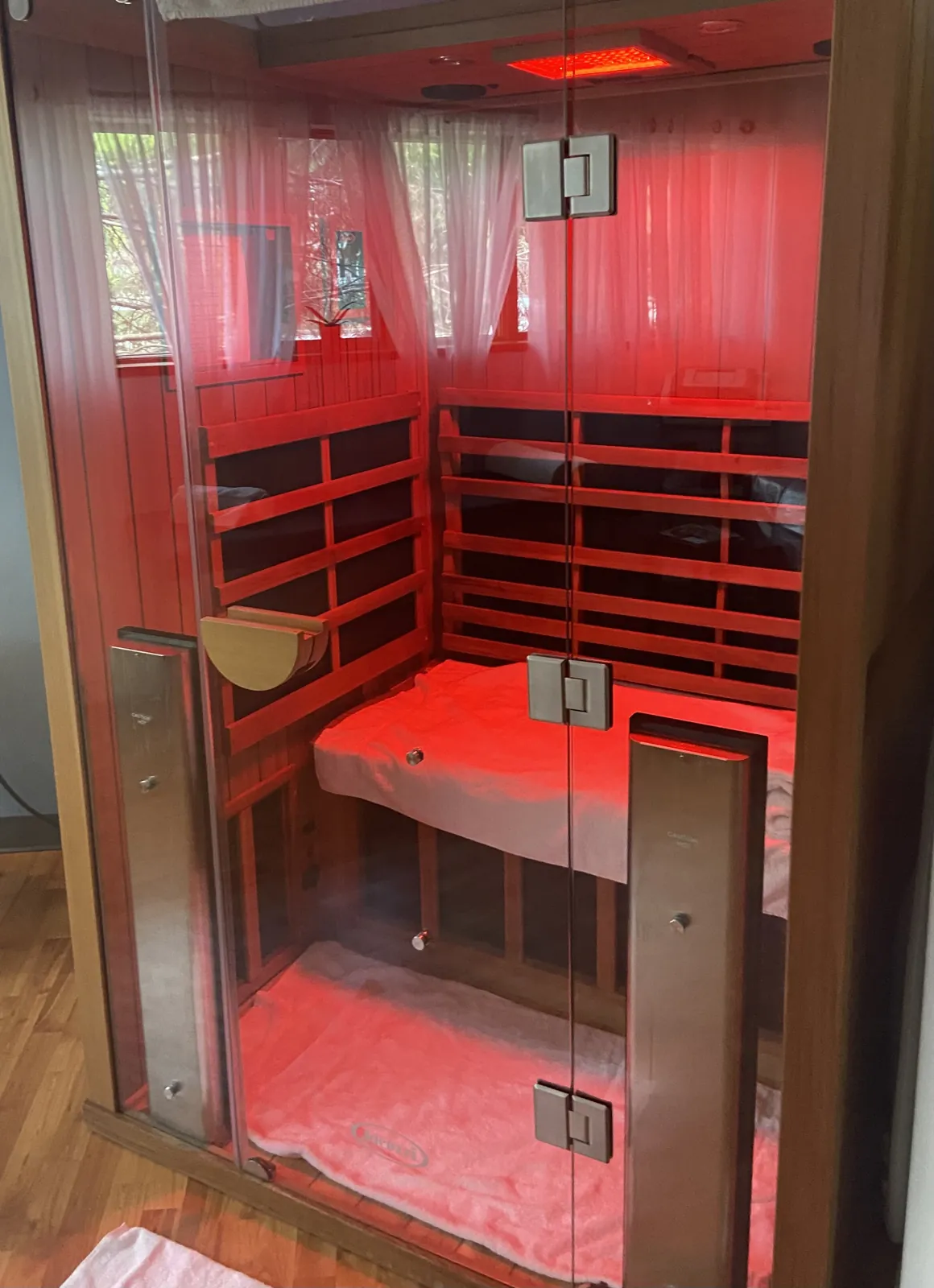
A traditional sauna heats the air around you, and the hot air warms your body. An infrared sauna uses infrared light to warm your body more directly, so you build a sweat at a lower air temperature. Many people find that more comfortable, especially if a traditional sauna feels stifling. Our cabin typically runs around 120–140°F.
What the Research Supports
According to Mayo Clinic, people like saunas because they cause reactions similar to moderate exercise, such as vigorous sweating and an increased heart rate, and an infrared sauna produces those effects at lower temperatures than a regular sauna.
- Relaxation and stress relief. This is the most commonly reported benefit. A quiet session of warmth is a genuine reset for many people.
- Circulation and heart rate. Heat raises your heart rate and widens blood vessels, a response similar to light exercise.
- Muscle comfort after workouts. Many clients use the sauna to loosen up after training or a long day on their feet.
- Early research on heart health. A review in Canadian Family Physician found limited but moderate evidence that far-infrared sauna use may help normalize blood pressure. The studies were small, so treat this as promising rather than proven.
What the Research Doesn't Support
Good information also means being honest about the limits. The same review found consistent evidence against claims that infrared saunas lower cholesterol, and only weak evidence (from a single study) for weight loss. The weight you lose in a sauna session is water, and it comes back when you rehydrate. A sauna is a wellness habit, not a weight-loss tool.
How to Get the Most From a Session
- Hydrate before and after. Drink water in the hour before your session and again afterward.
- Start shorter. If you're new to sauna, begin with a shorter session and build up as you get comfortable.
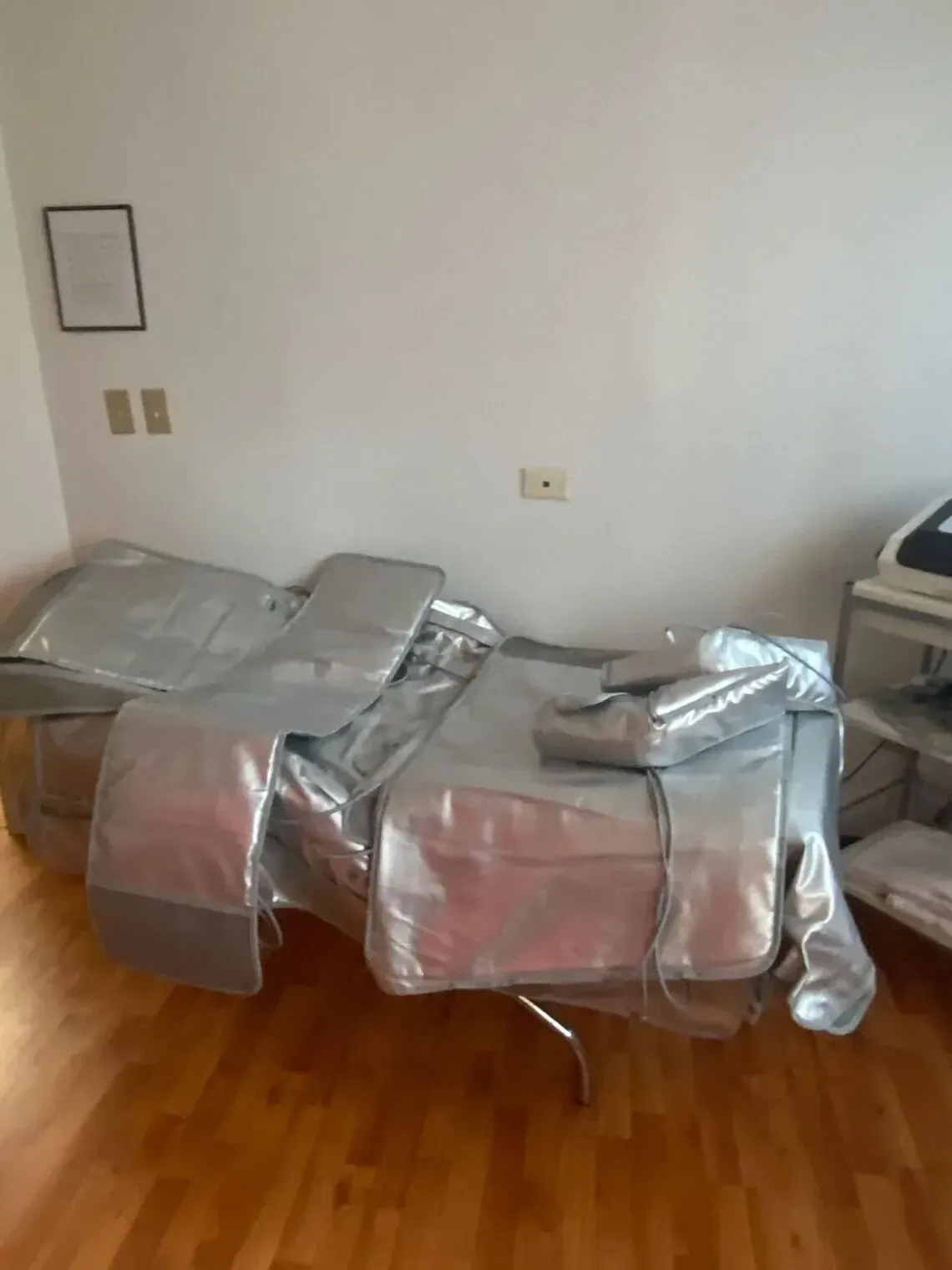
- Pair it with other treatments. Many clients combine sauna with body treatments or pressotherapy for a full reset.
- Be consistent. Like exercise, the benefits people report come from regular use, not a single visit.
Who Should Check With a Doctor First
Talk to your doctor before using a sauna if you're pregnant, have a heart condition or low blood pressure, take medications that affect heat tolerance, or have any condition that makes heat exposure risky. When in doubt, ask. We're happy to discuss it at your visit too.
Curious what a session feels like? Book your first infrared sauna session at our Carmel studio.
Frequently Asked Questions
How often should I use an infrared sauna?
+
Many people use an infrared sauna a few times a week. If you're new, start with shorter sessions and build up. Consistency matters more than any single session.
Does an infrared sauna help you lose weight?
+
Not in a lasting way. The weight lost during a session is mostly water and returns when you rehydrate. Research support for sauna as a weight-loss method is weak.
Is an infrared sauna safe?
+
For most healthy adults, yes. Mayo Clinic notes that no harmful effects have been reported with infrared saunas. Check with your doctor first if you're pregnant, have a heart condition, or have any condition affected by heat.
What should I bring to an infrared sauna session?
+
Water and comfortable clothes to change into afterward. Plan to hydrate before and after your session.
Sources
- Mayo Clinic: Do infrared saunas have any health benefits?
- Beever R. Far-infrared saunas for treatment of cardiovascular risk factors. Can Fam Physician, 2009.
This article is for general information and isn't medical advice. Individual results vary. Talk to your doctor about any health condition before starting a new treatment.